- Japan or Die
- Posts
- The Magic of Tokyo • Itinerary Advice • Japanese Soul Food
The Magic of Tokyo • Itinerary Advice • Japanese Soul Food
Japan or Die - Issue #86

Algis Tamosaitis
December 04, 2025
The Magic of Tokyo
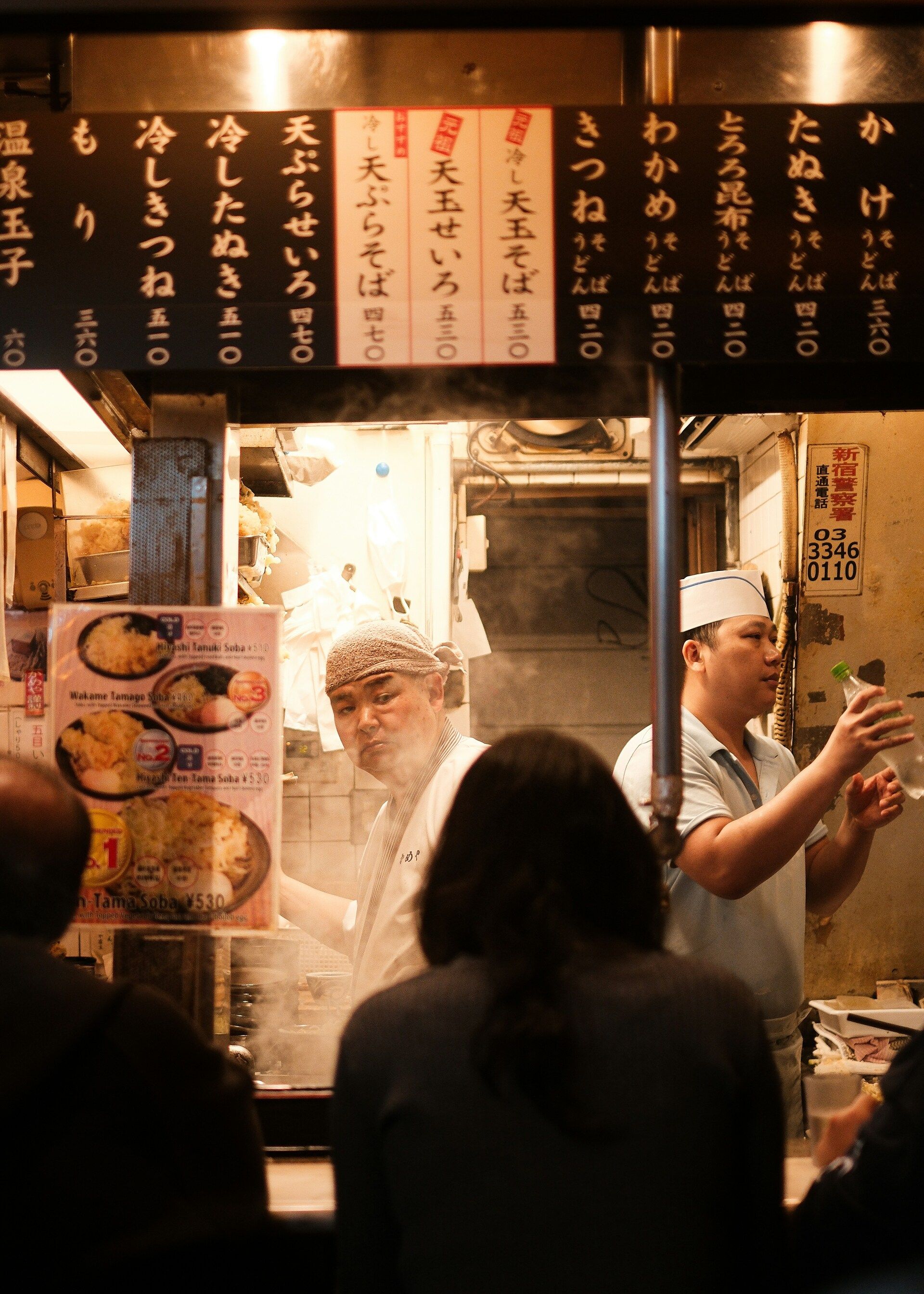
I talk a lot about izakayas and the various yokochos in Tokyo (and other parts of Japan), and for good reason. They’re fantastic places to interact with locals in a social environment while enjoying refreshing drinks and tasty food.
A few weeks ago, multiple readers sent me a link to this talk about the microeconomics of yokochos.
This is the description of the talk:
“What drives the seemingly relentless dynamism of Tokyo? Is there something special about Japanese culture? Joe McReynolds, co-author of Emergent Tokyo, argues that the secret to Tokyo's energy and attractiveness as a place to live and visit comes from policies that allow Tokyo to emerge from the bottom up. Post-war black markets evolved into today's yokocho--dense clusters of micro-venues that turn over, specialize, and innovate nightly--while vertical zakkyo buildings stack dozens of tiny bars, eateries, and shops floor by floor, pulling street life upward. The engine? Friction-light rules: permissive mixed-use zoning, minimal licensing, and no minimum unit sizes let entrepreneurs launch fast and pivot faster. And surrounding this emergent urban landscape, there's plenty of new housing with excellent transportation infrastructure to let ever-more people enjoy Tokyo's magic.”
If you want to go deeper, here’s Joe McReynolds’ book, Emergent Tokyo: Designing the Spontaneous City (It happens to be 40% off right now)
The Japanese way of zoning and lack of prohibitive costs allows people to take their shot and open the kind of business they’ve always dreamed about.
If you want to get a feel for what this type of restaurant/bar feels like, check out the Japanese TV series Midnight Diner.
Itinerary Advice
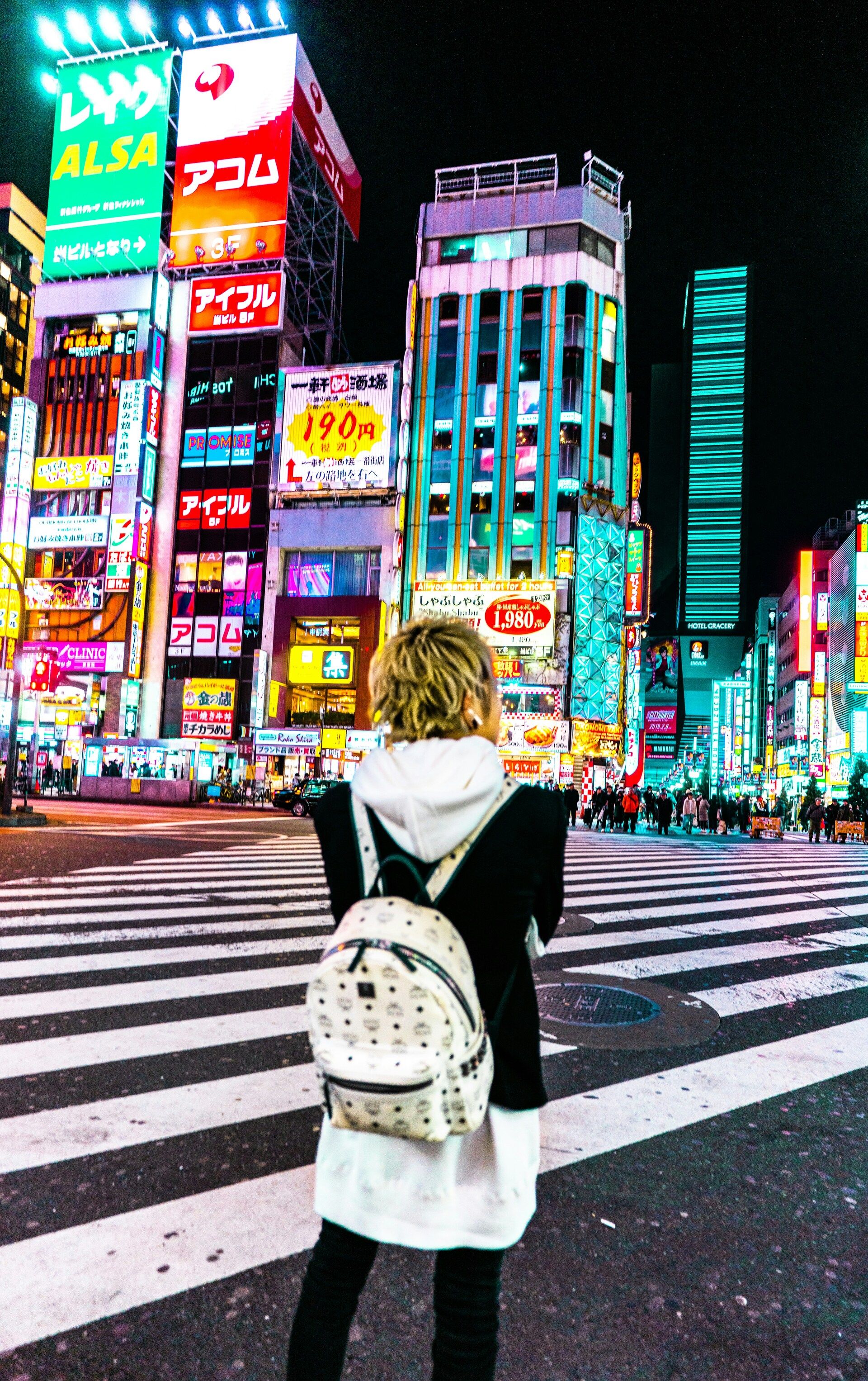
Photo by Jezael Melgoza on Unsplash
Itinerary planning for a trip to Japan, even just Tokyo, is a tremendous endeavor. Where to stay, what to do, which cities to visit, how long to visit each city, etc.
You will probably start with an itinerary that is too ambitious. That’s what we all do. We want to do everything. All the things our friends tell us to do, all the things the internet tells us to do, and all the things we want to do. Usually, those are not the same things, but hopefully, there is at least some overlap. Ideally, you focus on the things you want to do, but the pull is strong from peer pressure and internet videos.
I was touring a friend in Tokyo over the Summer, and it was devastatingly hot. The kind of heat that saps your energy and drains your desire for anything more than a cold drink, some AC, and a comfortable place to sit down. The kind of heat that makes you reassess why you chose to come to Tokyo at this time. The kind of heat that has you eliminating some of the more demanding things you’d originally planned on doing. And that’s ok, because you already decided you’d go easy on yourself. It’s your holiday after all and you should do or not do things as you see fit and have the freedom to deviate from previous plans in accordance with current circumstances.
My friend wanted to see certain sights, but the oppressive heat prevented him from taking some of the more demanding, far-flung side-trips. At first, he felt guilty for missing these world-class locations. But once he made peace with not doing everything, he was able to have more fun with the things he was doing.
It’s impossible to experience all Tokyo has to offer in a week or two. Just accept that as fact and go easy on yourself. You’ll have a much better time if you approach it this way.
This attitude may seem obvious and simplistic, but it’s something many travelers don’t adhere to in their quest for the “perfect” itinerary. I may not even have written about it if my friend hadn’t told me after the trip that this small piece of advice allowed him to enjoy his vacation a lot more than if he were racing around trying to tick every box and beating himself up over the things he couldn’t get to.
Japanese Soul Food
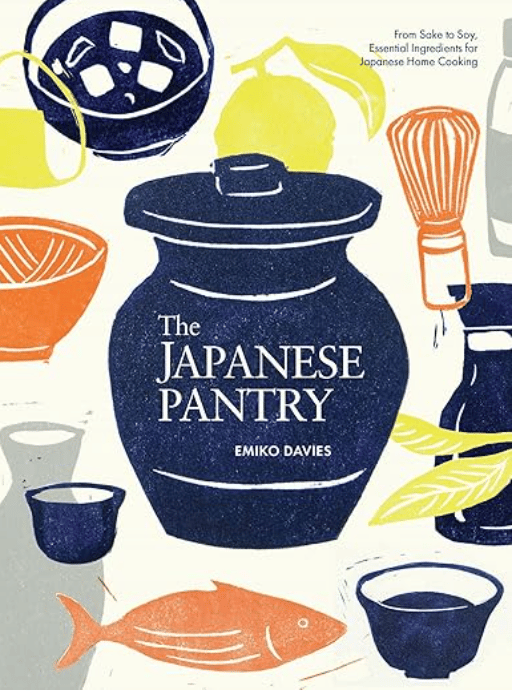
The Japanese Pantry by Emiko Davies shows you how 7 Japanese ingredients (soy sauce, miso, seaweed, sake, rice vinegar, sesame, and tea) unlock the ability to easily make authentic, delicious Japanese soul food at home.
It features 7 chapters, each dedicated to one of the key ingredients. She emphasizes learning how they work together to create balanced flavors, and how understanding this leads to cooking instinctively without the need to continually reference the recipes.
This is not a simple recipe collection style of cookbook, as Davies visited producers of each of the various ingredients in Japan and, in addition to explaining how to use them, she discusses their history, production methods, and place in Japanese food culture.
If you’ve been enchanted by the flavors of Japanese cooking, home cooking in particular, like I have, you’re likely to enjoy this new cookbook.
Bonus Item
This is a non-Japan thing. It’s a Southern California thing.
I’ve been contracted to work with my buddy Thor, who runs several Newport Beach businesses, including the Newport Beach Christmas Boat Parade and Holiday Lights Cruises. You can see what it’s like in this video.
If you’re in Southern California in December and want to go, I’ve got a discount code (not an affiliate link) for you below.
Use Code CAPTAIN15 to get:
$15 off per ticket for Holiday Lights and Boat Parade Cruises
$40 off a Holiday Lights Electric Duffy Boat rental
Did you know you can gift a Japan or Die Subscription to someone who loves Japan?
Buy someone you love a subscription today! Even if that person is you. You deserve it.
The most clicked link from the previous issue was for the Ramen Beast Instagram.
The 2nd most clicked link from the previous issue was for this playlist of Enka songs.
The one inexpensive item everyone should buy before visiting Japan.
If you know someone who would enjoy this post, please share.
—And if someone sent you this post, you can subscribe here.
NB: We sometimes use affiliate links.